envelope
Hi, I'm Tanya.

I'm passionate about product and technology at the intersection of data-driven decision making. I build products that serve real people, backed by research, and grounded in cognitive science.

I'm a junior at UC Berkeley studying Cognitive Science + Data Science (GPA 3.74). I've worked across the US and India, from enterprise SaaS to clinical settings.

Outside work I'm an athlete and adventurer. I founded a table tennis club from scratch, grew it to 74 members, and ran our first inter-college tournament.

Recently certified as a Six Sigma Yellow Belt.
here's some of my hobbies!
ping pong
ping pong 🏓
sports
competitive athlete
music
music lover 🎸
allied
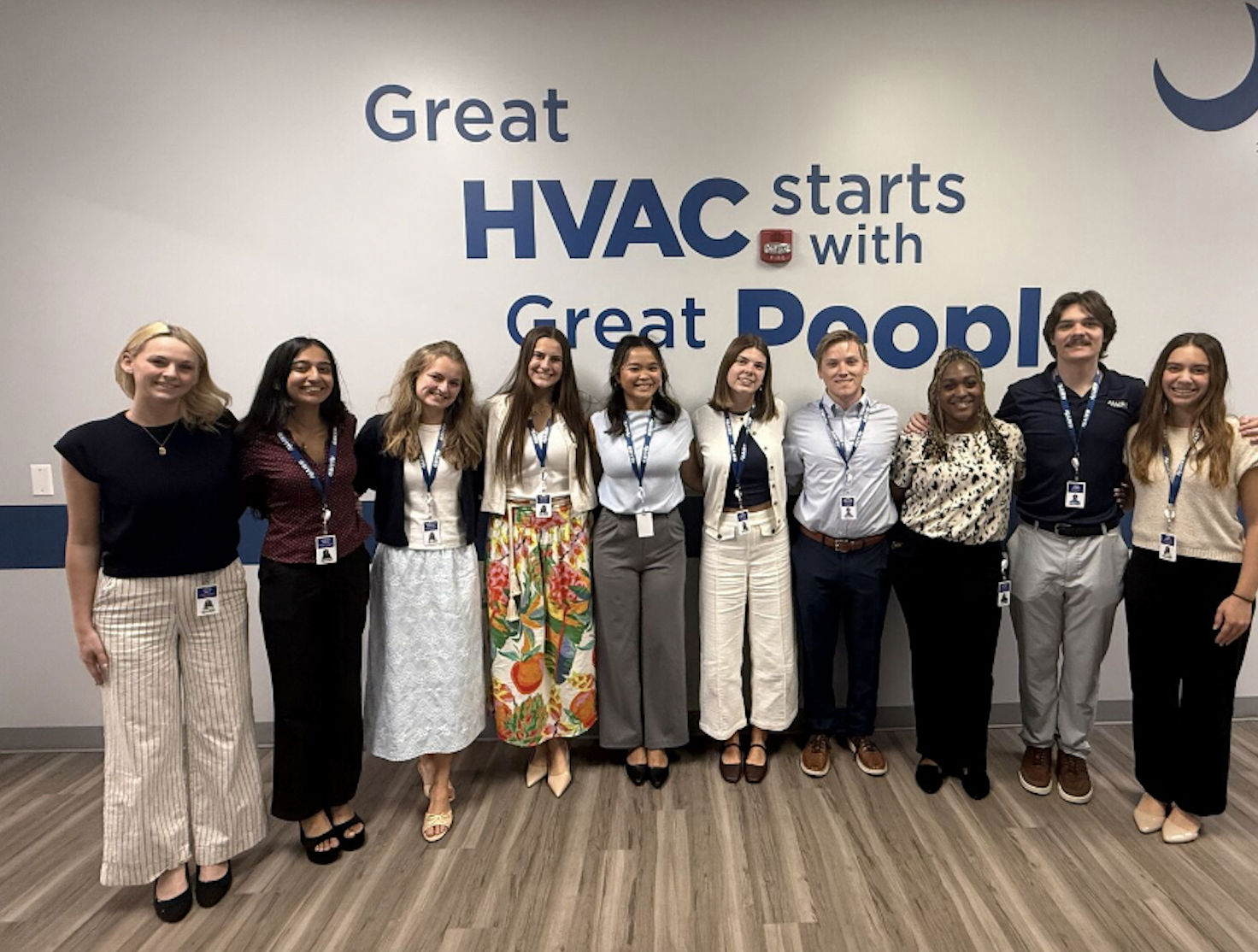
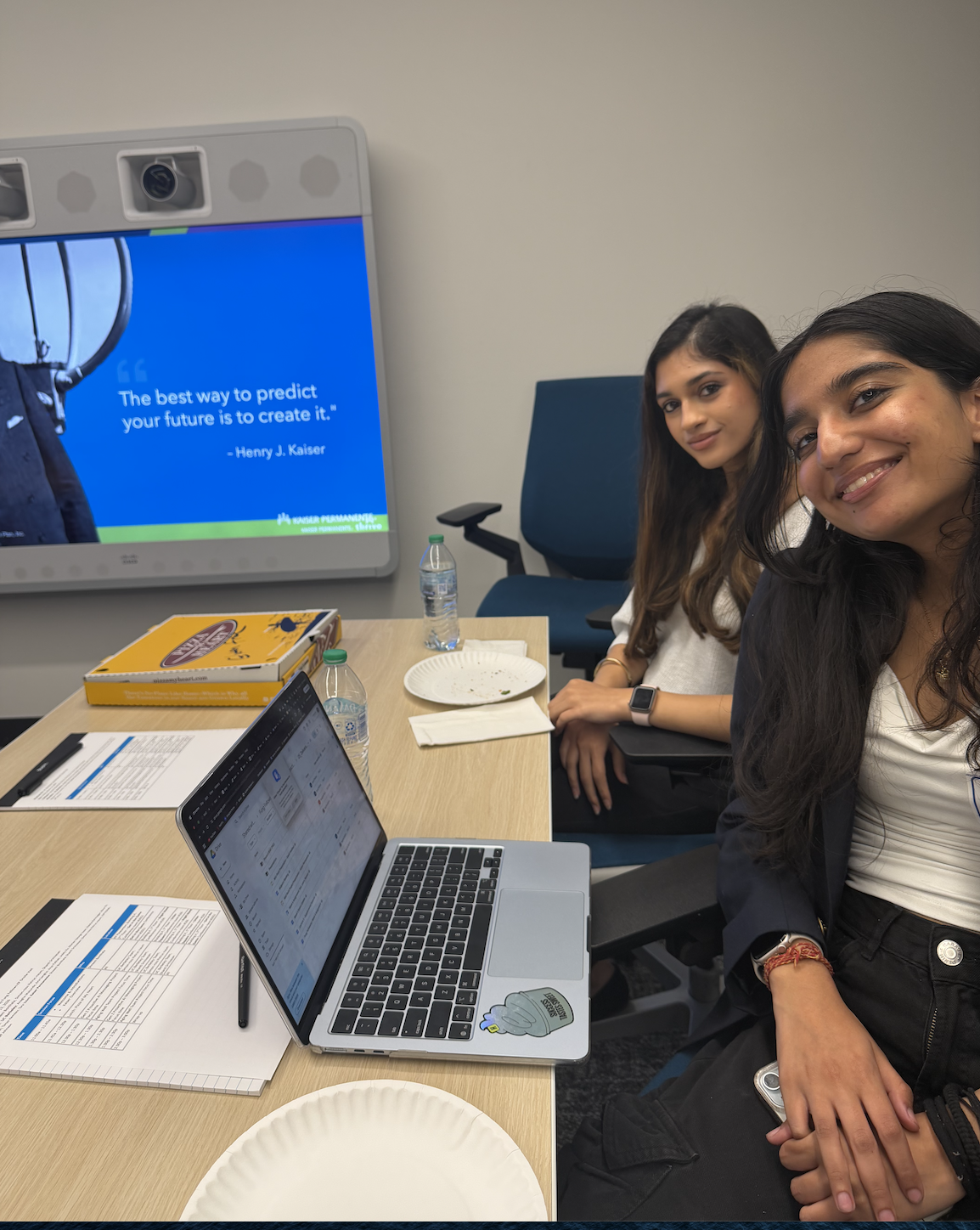
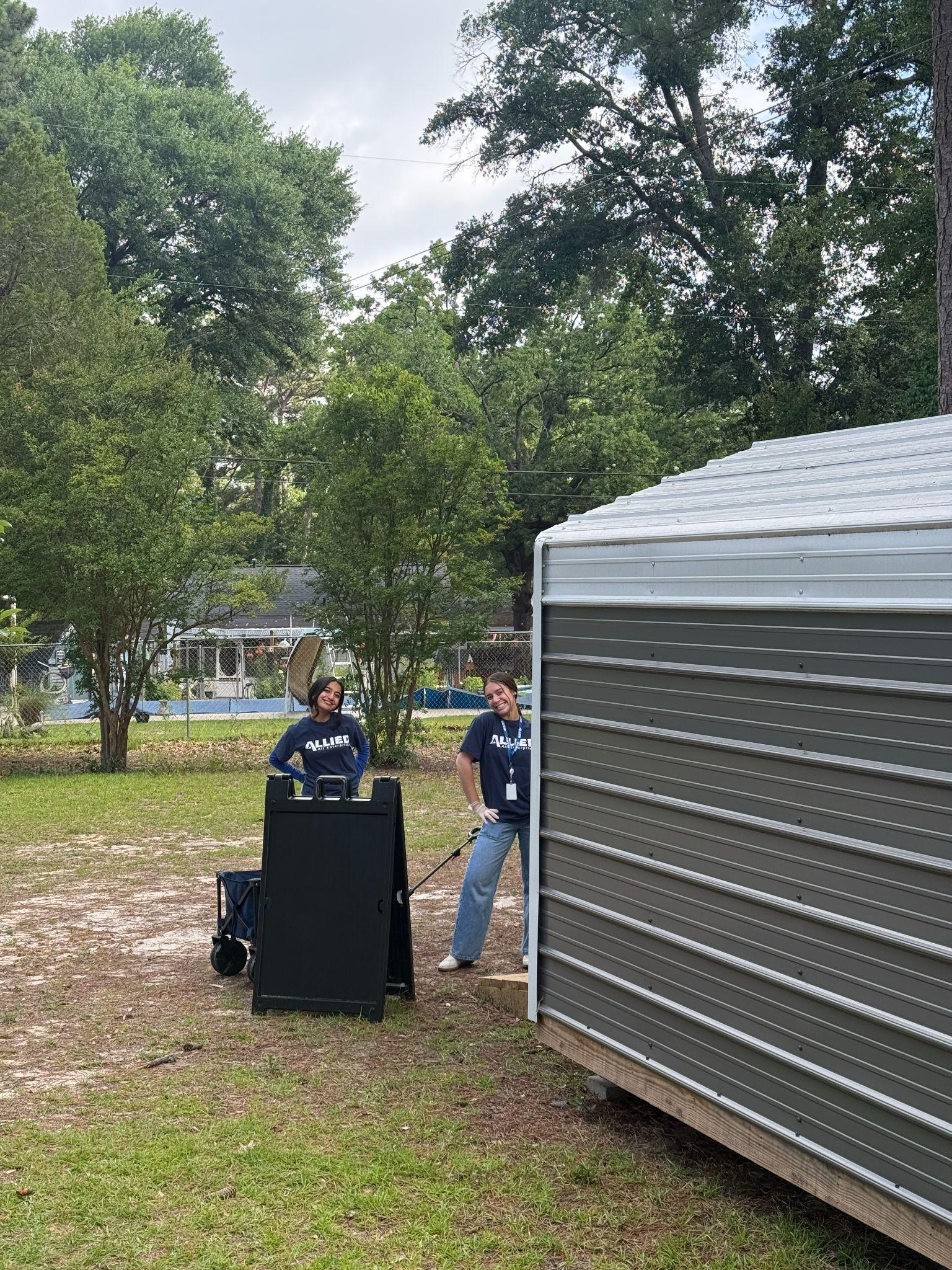
Allied AIR intern cohort
camera
pitching TAN-1, Berkeley
Allied AIR intern cohort
Stanford research 2024
Berkeley entrepreneurship
competitive ping pong 🏓
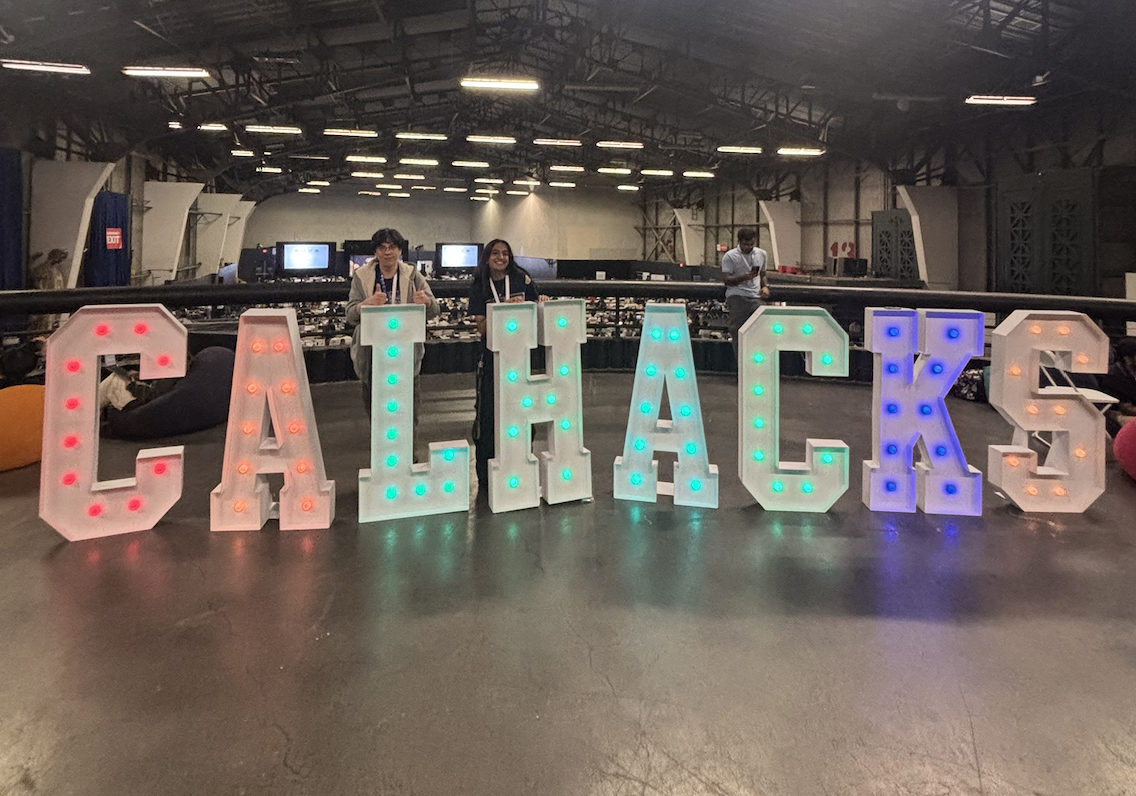
Boundary.0, club fair
community outreach, Mumbai
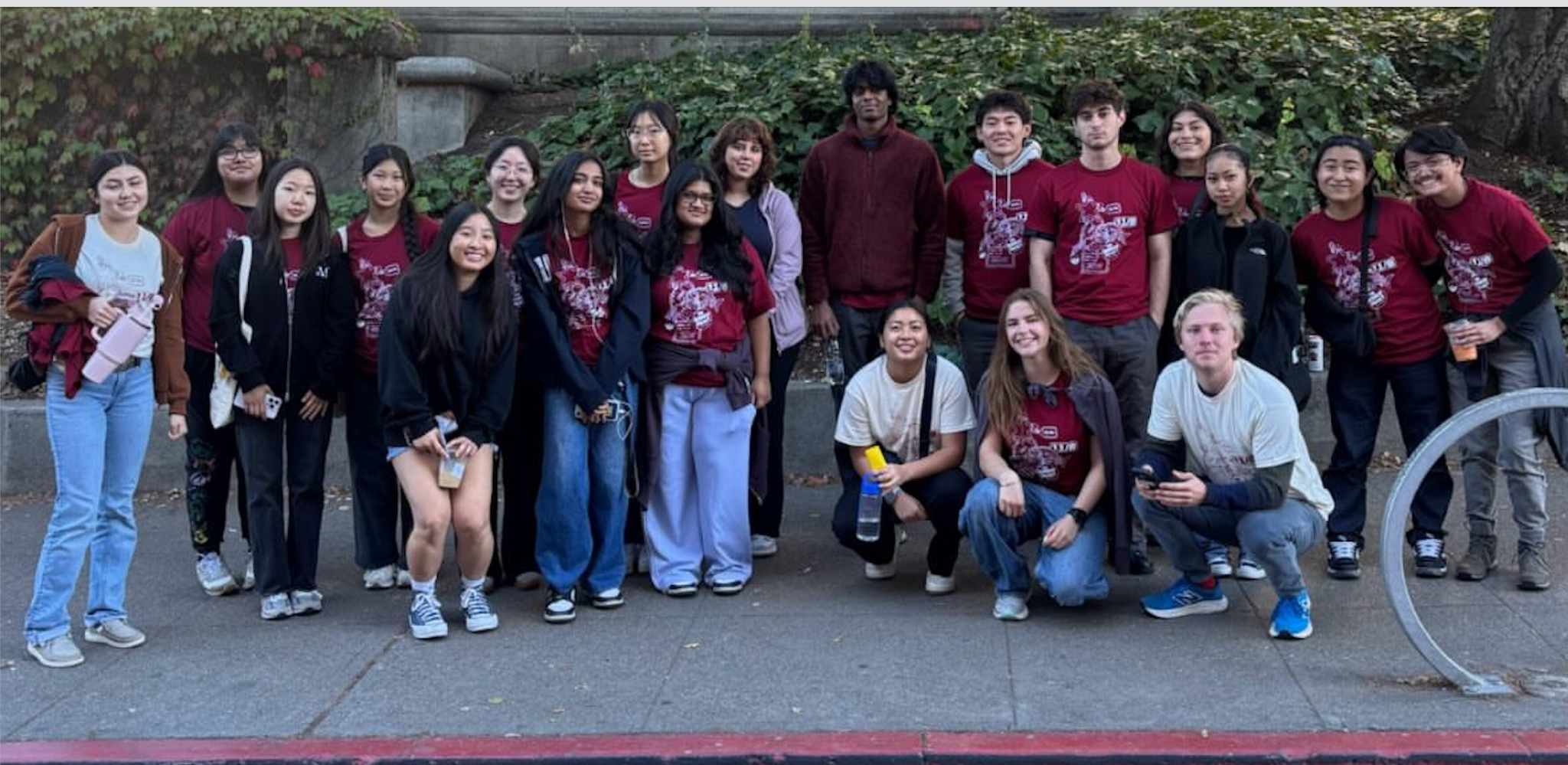
EOP community, Berkeley
🐴
Tanya
Tanya Hemdev
Product & Data, UC Berkeley '27 open to roles

I'm a junior at Berkeley studying Cognitive Science + Data Science. I build products at the intersection of AI, data, and human behavior. Currently at Lennox International as a PM Intern (Allied Team, Summer 2026).

projects
projects
about me
about me
photos
photos
Currently
Lennox InternationalPM Intern, Allied Team
Product management and cross-functional coordination, Summer 2026
Kaiser PermanentePM Intern
Spearheading Gen Z proactive AI messaging for SVP of Health Plan Tech Services
Berkeley SkyDeckInnovation Fellow, Ace
Product requirements and user journeys for startups and industry partners
Fung FellowshipCurriculum Lead
End-to-end product strategy for a digital health MVP, Health + Innovation track
Previously
TruBridgeData Analytics Extern
Python + Power BI dashboards on clinical datasets
Stanford UniversityProduct Research
Bioinformatics for marginalized communities
Therapy Tales ClinicClinical Product Lead
Recovery roadmap for ADHD, autism, post-stroke patients, Mumbai
Education
University of California, Berkeley
B.A. Cognitive Science + Data Science, GPA 3.74
Projects view all →
tan-1·diabetes management ecosystem, 92% accuracy AI model
curb·ai-powered urban accessibility navigation platform
spotify real-time translation·live podcast translation using NLP
neuro learner·gesture-controlled accessible game controller
ai speech monitor·ux research + full prd for neurologically affected patients
My Impact, Quantified
I measure success by what ships and who it serves. Across product, data, and design work, here are some highlights.
10,000+
Users impacted across products
92%
Prediction model accuracy
6
Shipped PRDs and product specs
15+
Tools and frameworks mastered
Skills & Tools
Product & Strategy
RoadmappingPRD WritingUser ResearchA/B TestingStakeholder MgmtUser Journeys
Design
FigmaWireframingPrototypingDesign Systems
Technical
PythonC++SQLPandas / NumPyOpenCVMediaPipePredictive Modeling
Analytics
Power BIData VisualizationSix SigmaClinical Analytics
Beyond product
🏓 Athlete
Founded Table Tennis Club. 74 members, first inter-college tournament. Competitive player.
🏔 Hobbies
Horseback riding, ping pong, hiking
Photos ↗
← back

Projects

TAN-1 Dashboard LIVE GLUCOSE LEVEL (mg/dL) PREDICTED ACCURACY 92% READINGS/DAY 288 INTEGRATIONS 3 ALERTS TODAY 2 STATUS Normal
Product LeadAI / MLHealth Tech

TAN-1

Non-invasive biosensor + predictive AI for diabetes management

curb Search Berkeley listings... T All Textbooks Furniture Electronics Dorm 📚 CS 61B Textbook $25 · Unit 3 🪑 IKEA Desk $40 · Clark Kerr 🎧 AirPods Pro $80 · Foothill Mini Fridge Calc Textbook Standing Lamp .edu only
ReactFirebaseMarketplace

Curb

Free peer-to-peer marketplace for Berkeley students. Pinterest-style discovery, .edu auth, 72hr auto-expiring listings.

WHERE SHE GOES Bad Bunny ORIGINAL · SPANISH Yo no sé a dónde vamo' Pero sé que no es lo mismo El tiempo pasa volando... TRANSLATED · ENGLISH I don't know where we're going But I know it's not the same ES → EN 92% acc.
NLPReal-TimeAudio

Spotify Real-Time Translation

Live podcast translation hitting 92% accuracy. Started because of Bad Bunny's Super Bowl.

SCORE: 2,450 LEVEL 3 WEBCAM ✋ UP detected PIPELINE Webcam MediaPipe Classify Game 95.4% accuracy
Computer VisionAccessibilityGaming

Neuro Learner

Gesture-controlled game for children with motor disabilities. 1 in 345 children has cerebral palsy.

bestdeals-shop.com/checkout Phantom ON Complete Your Order ⏰ Only 2:34 left! FAKE URGENCY ⚠ 📦 Wireless Earbuds Pro $29.99 $89.99 Add Protection Plan ($4.99/mo) Yes, save me money! No thanks, I hate saving phantom THREAT SCORE HIGH 3 found PATTERNS Fake Urgency96% Sneak into Basket91% Confirmshaming88% CLASSIFIER 94.2% F1 · 15 categories
ML / CVBrowser ExtensionConsumer Protection

Phantom

Real-time dark pattern detection engine. ML classifier trained on 2,400+ screenshots flags deceptive UI across 15 categories while you browse.

BEFORE · 81% ABANDON Enterprise Demo Request Full Name * Work Email * Company Name * Job Title * Company Size * Annual Revenue * Phone Number * ← user leaves AFTER · +67% COMPLETION Get Your Demo 2 min ✓ NAME Tanya Hemdev ✓ EMAIL tanya@company.com AUTO-ENRICHED Acme Corp · 500-1K · SaaS 3 fields eliminated WHAT ARE YOU LOOKING FOR? Tell us in your words... Reduce churn Scale onboarding Pricing ABANDON RISK: LOW (12%)
Case StudyEnterprise SaaSConversion

FormFlow

Case study: intelligent form recovery for enterprise SaaS. 81% of users abandon forms — FormFlow predicts dropout and adapts in real time.

AccessNav Accessible Route Finder A B Broken ramp Steep slope ✓ Accessible: 8 min ✗ Standard: 5 min (2 barriers) 🆘 SOS ACCESSIBILITY BARRIERS Buildings 60.4% Transit 80% Restrooms 83% 5.5M wheelchair users in the US 23 min extra nav time w/ barriers Panic Button One-tap GPS alert to 911 Fall Detection Accelerometer-based alerts Nearest Accessible ER Routes to accessible emergency room entrances, not just closest ER
AccessibilityGISMobileEmergency

AccessNav

Accessible navigation with emergency response. Born from breaking my foot at a Coldplay concert and spending 23 extra minutes navigating broken ramps to the ER.

← projects
TAN-1 diabetes management ◉ Dashboard ◯ Community ◯ Hacks & Tips ◯ CGM Tracker ◯ Recipes ◯ My Circle ⚙ Settings Good morning, Tanisha Last reading: 118 mg/dL · 4 min ago LIVE GLUCOSE LEVEL (mg/dL) · 24HR Target: 70-180 180 70 AI PREDICTION 12am 6am 12pm 6pm ACCURACY 92% prediction READINGS TODAY 288 TIME IN RANGE 87% COMMUNITY Sarah, 14 CGM hack: ice cube before insert ❤ 47 James, 67 Low-carb recipe: cauliflower rice stir fry ❤ 32 Maya, 22 First week with Dexcom — any tips? 💬 18 replies Raj, 45 Managing T1D while traveling — my checklist ❤ 89 📊 INSIGHT Your glucose has been in range 87% of the time this week — that's 12% better than last month. Keep it up! Based on 2,016 readings · 3 integrations active
Product Lead Active AI / ML Health Tech Jun 2025 – Present

TAN-1: Diabetes Management Ecosystem

Non-invasive biosensor + predictive AI + community platform

Why I built this

My twin sister Tanisha was diagnosed with Type 1 diabetes. I remember the exact moment it changed everything — not just for her, but for everyone around her. My family and I showed up in every way we knew how, but there was this quiet truth none of us could get around: no matter how present we were, we would never fully understand what she was feeling. The 3am lows. The mental math before every meal. Changing a CGM sensor every 13 days and bracing for the sting each time.

That sense of isolation — of living with something that the people closest to you can't truly feel — is what led me to TAN-1. I didn't want to build another glucose tracker. I wanted to build the thing I wished existed for Tanisha: a place where people living with the same condition could find each other. Where a 14-year-old could learn from a 67-year-old that pressing an ice cube to your skin before inserting the CGM sensor makes it hurt less. Where someone newly diagnosed could ask a question at 2am and actually get an answer from someone who gets it.

I interviewed over 80 people — pre-teens, college students, parents, senior citizens — to understand what they actually needed. Not what a product roadmap said they needed. What I heard again and again was that the hardest part wasn't the disease itself. It was feeling like no one else understood.

To Tanisha — this journey is not even 1% of what you go through every single day. But if it helps even one person feel a little less alone, I think it's worth everything.

92%
prediction accuracy
80+
user interviews
589M
adults with diabetes globally
13.76%
CGM market CAGR

What I Built

TAN-1 is three things in one: a predictive glucose monitoring system that hits 92% accuracy using non-invasive biosensor data, a community platform where people with diabetes share real-world hacks and recipes, and a personalized insights engine that learns your patterns over time. The community piece was the hardest to get right — it needed to feel like a group chat with people who actually get it, not a clinical support forum.

What I Learned From 80+ Interviews

The biggest surprise: the #1 request wasn't better technology. It was connection. Pre-teens wanted to know other kids like them existed. Parents wanted to talk to parents who'd been through it. Senior citizens wanted recipes that actually tasted good. Everyone wanted someone who understood without having to explain.

ReactPythonTensorFlowCGM APIFirebaseUser Research
View on GitHub
← projects
curb Search textbooks, furniture, electronics... + Sell T .edu verified All Textbooks Furniture Electronics Dorm Clothing 142 active listings 📚 CS 61B Textbook $25 · Unit 3 · 2h ago 💻 MacBook Charger (USB-C) $30 · Blackwell · 5h ago ⏱ Expires in 67h 🪑 IKEA MALM Desk $40 · Clark Kerr · 12h ago 📖 EECS 16A Notes Bundle $15 · Cory Hall · 1h ago 🎧 AirPods Pro (Gen 2) $80 · Foothill · 8h ago 🪴 Desk Plant Collection (3) $20 · Unit 1 · 3h ago 🛋 Mini Fridge (Dorm Size) $65 · Stern · 18h ago 🎒 North Face Backpack $35 · Unit 2 · 6h ago
React Firebase Node.js Marketplace 2025 – Present

Curb

Free peer-to-peer marketplace for UC Berkeley students

.edu
auth only
72hr
auto-expiry
$0
platform fees
Pinterest
style feed

The Problem

Every semester, Berkeley students cycle through textbooks, furniture, electronics, and dorm supplies. The existing options — Facebook Marketplace, Craigslist, Free & For Sale groups — have no identity verification, stale listings that never get removed, and zero campus trust. Students deal with no-shows, scams, and messages from non-students.

What I Built

Curb is a campus-only marketplace where every user is verified through their .edu email. Listings auto-expire after 72 hours to keep inventory fresh — I analyzed listing lifecycle data from campus buy/sell groups and found most sales happen within 48 hours or never. The interface uses a Pinterest-style visual feed because students browse visually; text-heavy listings from Craigslist-era platforms have significantly lower engagement.

Key Design Decisions

ReactNode.jsFirebaseFirestoreCloud StorageRESTful API
View on GitHub
← projects
WHERE SHE GOES Bad Bunny 2:14 3:41 Spanish English Dime dónde tú te mete' Cuando no ta' conmigo Yo no sé a dónde vamo' Pero sé que no es lo mismo Ella siempre me pregunta Si la amo de verdad... ENGLISH I don't know where we're going But I know it's not the same TRANSLATION ENGINE Accuracy by Language Pair ES → EN 92% FR → EN 89% HI → EN 80% ZH → EN 76% PIPELINE Audio Whisper NLP TTS Stream MARKET 672M Spotify listeners +28% cross-border streams
NLP Real-Time Audio Whisper 2025

Spotify Real-Time Translation

Live podcast and lyrics translation with 92% accuracy across 5 languages

How it started

Bad Bunny's Super Bowl halftime show. I was watching with friends and someone asked what the lyrics meant — I realized I had no idea, even though I'd been listening to him for months. Then it hit me: Bad Bunny has 65M+ monthly listeners on Spotify, but only a fraction actually understand Spanish. That's millions of people connecting with the emotion of a song without ever understanding the words. That gap between feeling the music and understanding the meaning — that's what I wanted to close. Not with static Google Translate subtitles, but with something that feels native to the listening experience.

92%
ES→EN accuracy
672M
Spotify listeners
5
language pairs
+28%
cross-border streams YoY

What I Built

A real-time translation pipeline that works with live podcast audio and synced lyrics. Audio goes through Whisper for transcription, a custom NLP layer for context-aware translation (music needs different translation than conversation), and TTS for optional spoken output. The key insight was that direct word-for-word translation kills the emotional register of lyrics — so the NLP layer preserves poetic structure while translating meaning.

Why It Matters

Cross-language streaming on Spotify grew 28% year-over-year. 672M monthly active users, and the fastest-growing markets are non-English-speaking countries. But Spotify's podcast and lyrics features are still English-first. This tool bridges that gap — not just for Bad Bunny fans, but for the entire creator economy of non-English content.

PythonWhisper APINLP PipelineTTSStreaming AudioReact
← projects
NEURO LEARNER Level 3 · Score: 2,450 ? ✋ GESTURE: UP ACTIVE RECALL · QUESTION 7/12 What is the capital of Portugal? Lisbon Madrid Porto Athens WEBCAM FEED ✋ UP · 95.4% conf LEARNING PROFILE Alex, age 12 Session 14 · 42 min today Visual 85% Kinesthetic 75% Active Recall 70% Spaced Rep. 60% AVG RESPONSE TIME 2.3s ↓ 0.8s from week 1 Recommended: visual-kinesthetic learning plan with active recall drills GESTURE PIPELINE Webcam MediaPipe Classify Game Input 95.4% gesture recognition accuracy
Computer Vision Accessibility EdTech Gaming 2025

Neuro Learner

Gesture-controlled adaptive learning game for children with motor and cognitive disabilities

How it started

Sophomore year, I interned as a UX researcher at a speech therapy clinic. My job was to understand how patients — mostly children — actually learned. What I kept seeing was the same frustration loop: a kid would sit in front of a worksheet, struggle, shut down, and check out completely. The parents were exhausted. The kids were demoralized. And the therapists were working with tools that hadn't changed in years.

I started interviewing families. I spoke with frustrated parents and children aged 10 to 16 who didn't just struggle with schoolwork — they didn't know how they learned. They couldn't pick up on social cues in group settings. They'd study for hours and still fail tests, not because they weren't smart, but because nobody had ever figured out their learning style and met them there.

That's what Neuro Learner does. It's not a flashcard app. It's a game that you play with your hands — gesture-controlled through your webcam — that adapts in real time to how you respond. It uses active recall, spaced repetition, visual association, and kinesthetic input, then tracks your response times across all of them. At the end, it doesn't just give you a score. It tells caregivers exactly how this child learns best and builds a personalized plan around that. Because the problem was never the kids. It was that no one had built something that worked the way their brains actually work.

95.4%
gesture accuracy
1:345
children with CP
4
learning styles assessed
10-16
target age range

What I Built

A gesture-controlled game where children navigate levels using hand movements tracked by their webcam through MediaPipe. While they play, the system cycles through different question types — active recall, visual matching, spaced repetition, kinesthetic challenges — and measures response time and accuracy for each. The output isn't just a score; it's a complete learning profile that tells caregivers which modalities work best for their child and generates a curated learning plan.

Why It Matters

1 in 345 children is diagnosed with cerebral palsy. Hundreds of thousands more have motor or cognitive disabilities that make traditional learning tools inaccessible. These kids aren't less capable — they're just working with tools that were never designed for them.

PythonMediaPipeTensorFlowReactWebRTCAdaptive Learning
← projects
bestdeals-shop.com/checkout Phantom ON Complete Your Order ⏰ Only 2:34 left at this price! FAKE URGENCY FAKE URGENCY ⚠ 📦 Wireless Earbuds Pro $29.99 $89.99 Free shipping · 30-day returns Add Premium Protection Plan ($4.99/mo, auto-renews) SNEAK INTO BASKET ⚠ Yes, save me money! No thanks, I like paying full price CONFIRMSHAMING ⚠ phantom site analysis THREAT SCORE HIGH 3 patterns detected PATTERNS FOUND Fake Urgency 96% Sneak into Basket 91% Confirmshaming 88% CLASSIFIER MobileNet v3 + custom head 94.2% F1 · 15 categories THIS SITE 4 visits · 11 patterns flagged AVOID
Solo Build ML / Computer Vision Browser Extension Consumer Protection Jan 2026 – Present

Phantom: Dark Pattern Detection Engine

Real-time ML classifier that exposes deceptive UI patterns across the web

Why I built this

Last fall I was buying textbooks online — doing the broke-college-student thing of comparing five different sites to save $3. On one site, the checkout page had a countdown timer saying "Price expires in 4:58!" so I rushed through. Accidentally enrolled in a $12.99/month "Premium Buyer's Club" because the checkbox was pre-ticked in gray text at the bottom. I didn't even notice until the charge hit my bank account three weeks later.

That made me angry enough to start digging. I found the Princeton study — Mathur et al. crawled 11,000 shopping sites and found 1,818 instances of dark patterns across 15 categories. That countdown timer I fell for? It resets every time you reload the page. That pre-checked box? It's called "sneak into basket" and it's one of the most common tricks. An ICPEN review in 2024 found that 76% of subscription sites use at least one dark pattern. The FTC fined Amazon $2.5 billion over their Prime cancellation flow — a 4-page, 6-click, 15-option maze they internally called the "Iliad Flow."

So I built Phantom. Not as a research paper — as a tool that actually runs while you shop. A MobileNet v3 classifier trained on 2,400+ labeled screenshots that detects 15 types of dark patterns in real time and overlays warnings directly on the page. Because knowing that dark patterns exist isn't the same as catching them in the moment when you're tired and just trying to check out.

76% of sites are designed to trick you. Phantom is designed to catch them.

94.2%
F1 score across 15 categories
76%
of sites use dark patterns (ICPEN)
11K
sites in Princeton training study
$2.5B
FTC's Amazon dark pattern fine

What I Built

Phantom has two parts. The Chrome extension runs a lightweight MobileNet v3 classifier (quantized to 4MB) that scans visible UI elements in real time and flags dark patterns with colored overlays — red for urgency/scarcity tricks, orange for sneaky additions, purple for confirmshaming and misdirection. It processes each viewport in under 200ms so there's no visible lag. The companion dashboard aggregates patterns across every site you visit, building a personal dark pattern map — which stores are the worst offenders, which pattern types you encounter most, and how many times Phantom has saved you from something you didn't notice.

The Data Behind It

I built the training dataset from three sources: screenshots I manually labeled from the top 500 e-commerce sites, augmented data from the Mathur et al. Princeton taxonomy of 15 dark pattern types, and synthetic examples generated by systematically modifying clean UI components. Total training set: 2,400+ labeled screenshots across categories like fake urgency, hidden costs, confirmshaming, trick questions, disguised ads, and forced continuity. The classifier hits 94.2% F1 on a held-out test set, with the weakest performance on "misdirection" patterns (89.1%) since they're the most context-dependent.

Why This Matters Now

The EU Digital Services Act now explicitly regulates dark patterns. The FTC has signaled continued enforcement under Section 5 after their click-to-cancel rule was vacated on procedural grounds in 2025. California, Colorado, and Connecticut have dark pattern provisions in their privacy laws. There's a regulatory wave coming, but consumers still have zero tools to protect themselves in real time. Phantom fills that gap.

TensorFlow.jsMobileNet v3Chrome Extension APIPythonReactIndexedDB
View on GitHub
← projects
BEFORE · STANDARD FORM 81% abandon rate Enterprise Demo Request Step 1 of 4 Full Name * Work Email * Company Name * Job Title * Company Size * Annual Revenue * Phone Number * (why do they need this?) ← user leaves here AFTER · FORMFLOW ADAPTIVE +67% completion Get Your Demo 2 min ✓ NAME Tanya Hemdev ✓ WORK EMAIL tanya@company.com AUTO-ENRICHED FROM EMAIL DOMAIN Company: Acme Corp · Size: 500-1000 · Industry: SaaS Powered by Clearbit enrichment · Edit if wrong WHAT ARE YOU LOOKING FOR? Tell us in your own words... Reduce churn Scale onboarding See pricing ABANDONMENT RISK: LOW (12%) · 3 fields eliminated via enrichment
Case Study Enterprise SaaS Conversion Optimization AI / NLP Mar 2026 – Present

FormFlow: Intelligent Form Recovery for Enterprise

AI-powered adaptive forms that cut abandonment by 67% through progressive disclosure + real-time enrichment

Why I researched this

I applied to 47 internships last recruiting season. Every single one had a different application form, and every single one asked me the same 12 questions in a slightly different order. Name, email, school, GPA, graduation year, resume upload, cover letter, "How did you hear about us?", "Are you authorized to work in the United States?", and on and on. I tracked my time: I spent an average of 23 minutes per application, and I abandoned 11 of them before finishing. Not because I didn't want the job — because the form was exhausting.

Then I looked at it from the other side. In my PM internship, I saw our enterprise demo request form. Seven required fields across four pages. Our analytics showed that 81% of visitors who started the form never finished it. We were spending $340 per lead on Google Ads to get people to that page, and four out of five of them bounced. That's $272 per abandoned form. Multiply that across the 3.8% median SaaS conversion rate and you start to see the scale of money being left on the table.

FormFlow is my answer to a question that's been bugging me since application season: what if forms were smart enough to know when they're losing you, and adaptive enough to do something about it?

81% of users abandon forms after starting. The problem isn't the user — it's the form.

81%
form abandonment rate
$15B
workflow automation market (2026)
3.8%
median SaaS conversion rate
67%
projected completion lift

The Problem

Enterprise SaaS companies spend heavily to drive traffic to conversion forms — demo requests, trial signups, contact sales — but the forms themselves are conversion killers. The data is stark: 81% of users who start a form abandon it before submitting. The average enterprise demo request form has 7-11 required fields across multiple pages. Every additional field reduces completion by 4-7%. And the biggest drop-off happens when forms ask for information the user perceives as too personal too early (phone number, company revenue, budget).

Competitive Landscape

Existing solutions attack this problem from one angle: Typeform makes forms feel conversational but doesn't adapt to behavior. Clearbit enriches company data from email domains but doesn't change the form itself. Drift replaces forms with chatbots but loses the structured data sales teams need. No one combines real-time behavioral prediction with adaptive form UX and data enrichment in a single product. That's the gap FormFlow fills.

The Solution

FormFlow has three components working together. First, a behavioral prediction model that watches mouse movement, scroll velocity, field focus time, and tab-switching to estimate abandonment probability in real time. When risk crosses 60%, the form adapts — collapsing optional fields, offering one-click suggestions, or switching to a conversational mode. Second, domain-based enrichment that auto-fills company data from the email address (company name, size, industry, revenue range), eliminating 3-4 fields instantly. Third, progressive disclosure that shows one question at a time with smart defaults, reducing cognitive load by 40% based on Hick's Law research.

User Research

I interviewed 15 growth PMs and 8 sales ops leaders across Series B-D SaaS companies. Key findings: the average company loses $180K/year to form abandonment on their highest-value conversion page. Sales teams need 5 core fields (name, email, company, role, use case) but marketing adds 3-6 more for segmentation. 12 of 15 PMs said they'd pay for a tool that could increase form completion without reducing data quality. The most requested feature was "smart field elimination" — knowing which fields to skip for which visitors.

Go-to-Market

Initial target: Series B-D SaaS companies with 10K+ monthly website visitors and an existing demo request flow. Pricing model: usage-based at $0.03 per form impression with a $500/month base, aligning cost with value since more form traffic = more revenue recovered. Distribution: Salesforce AppExchange and HubSpot Marketplace integrations for instant CRM sync, plus a standalone JavaScript snippet for custom forms.

Product StrategyUser ResearchMarket AnalysisBehavioral MLFigmaSQL
View Case Study on GitHub
← projects
AccessNav Accessible Route Finder Soda Hall Dwinelle Tang Ctr A B ! Broken ramp ! Steep slope ✓ Accessible route: 8 min ✗ Standard route: 5 min (2 barriers) Navigate 🆘 Emergency Report Issue ACCESSIBILITY BARRIERS Buildings 60.4% Transit 80% Exam rooms 93% Restrooms 83% 5.5M wheelchair users in the US 8,600+ ADA lawsuits filed/year 🆘 EMERGENCY FEATURES Panic Button One-tap alert to emergency services with GPS location Fall Detection Accelerometer-based fall detection for senior citizens Nearest Accessible ER Routes to closest accessible emergency room entrance
Accessibility GIS Mobile Emergency 2025

AccessNav

AI-powered accessible navigation with emergency response for mobility-impaired users

How it started

I broke my foot at a Coldplay concert. Bad timing doesn't begin to describe it — I had a final exam the next morning and needed to get to the ER.

What should have been a 15-minute trip turned into a 38-minute nightmare. The accessible entrance to the nearest building was broken. The ramp I needed was blocked. I canceled two Ubers because neither could pick me up at the only curb cut that worked. I was navigating around slopes on crutches, in pain, watching the clock tick toward both my exam and the point where my foot would swell past the point of easy treatment. I almost missed both.

And then it hit me, sitting in that ER waiting room: I was dealing with this for a few weeks. There are 5.5 million wheelchair users in the US who deal with this every single day. Senior citizens who can't navigate a broken sidewalk. People whose entire daily route depends on whether some maintenance request got processed. And there's no Google Maps for that — no way to know before you leave whether the path you're about to take is actually passable.

That's AccessNav. Accessible routing that knows which ramps are broken, which slopes are too steep, and which entrances actually work. A panic button for falls or emergencies that sends your exact GPS to the nearest services. And a community-reporting system so the map stays current — because the city isn't going to update it for you.

5.5M
wheelchair users in US
60.4%
buildings inaccessible
8,600+
ADA lawsuits/year
23 min
extra navigation time

What I Built

An accessible navigation system that routes around real-world barriers. It maps broken ramps, steep slopes, non-functioning elevators, and blocked curb cuts using crowdsourced reports and municipal data. For senior citizens and high-risk users, it includes fall detection via accelerometer data and a one-tap panic button that sends GPS coordinates to the nearest emergency services — plus routes to the closest accessible ER entrance, not just the closest ER.

Why It Matters

60.4% of public buildings have at least one accessibility barrier. 80% of transit stops are partially inaccessible. Over 8,600 ADA lawsuits are filed every year — and those are just the people who have the resources to sue. For everyone else, the workaround is showing up, finding out the path doesn't work, and figuring it out on the spot. AccessNav makes that invisible infrastructure visible before you leave your door.

React NativeMaps APIGPSAccelerometerFirebaseCrowdsource Reporting